

 |
| East Greenland Video |
 |
| North Greenland Video |
 |
| Patagonia - Tierra del Fuego |
 |
| Kamchatka - Siberia |
 |
 |
| Goldene Palme 2014 für Aktiv- und Genießerreisen |
 |
Spitzbergenreisen: Kommen Sie mit uns in die Heimat der Eisbären
Spitzbergen, auch bekannt als Svalbard, ist als Heimat der Eisbären weltbekannt. Die imposante Inselgruppe, die sich ihre weitgehend ursprüngliche Natur bis heute bewahrt hat, wird durch die Lage im Arktischen Ozean gekennzeichnet. Direkt zwischen dem Nordpol und Norwegen gelegen, vereint sie eine Vielzahl an Kontrasten, hat sich aber Ihren ganz eigenen Charme bis heute bewahrt. Genießen Sie mit uns eine unserer Spitzbergenreisen und lernen Sie eine Landschaft voller Extreme kennen. Während der Spitzbergenkreuzfahrten kommen Sie immer wieder mit der grandiosen Tierwelt in Kontakt. Doch neben einer beeindruckenden Eislandschaft erwarten Sie auch immer wieder historische Nuancen, alte Walfangstationen, Trapperhütten und aufgelassene Bergbauorte
Faszination Spitzbergen
Lassen Sie sich während der Spitzbergenreisen auf den einzigartigen Charme dieser Inselgruppe ein. Die Orte der Inseln zeigen sich als deutlicher Kontrast zu der schier nie enden wollenden Weite und Einsamkeit der Landschaften. Ihr moderner Pulsschlag ist schon bei der Ankunft in Longyearbyen greifbar. Neben typisch nordischem Flair finden hier immer wieder kulturelle Veranstaltungen statt. Sie haben während der Spitzbergenkreuzfahrten genügend Zeit, um Ausstellungen, die Universität oder das Museum in Longyearbyen zu erkunden oder eines der Festivals zu besuchen, die hier regelmäßig stattfinden.
Auch kulinarisch hat Longyearbyen mehr zu bieten, als Sie vielleicht vermuten. Wie wäre es auf den Spitzenbergenreisen beispielsweise mit einem Besuch im weltweit nördlichsten Sushi-Restaurant. Möchten Sie wissen, wie Spitzbergen selbst schmeckt, dann besuchen Sie die lokale Brauerei.
Spitzbergen setzt auf konsequente Nachhaltigkeit
Auf Ihren Spitzbergenreisen werden Sie unweigerlich mit dem Nachhaltigkeitskonzept von Spitzbergen konfrontiert. Weit über die Grenzen der Insel hinaus ist Svalbard heute für seine ausgesprochen nachhaltige Lebensweise bekannt. So wurden rund zwei Drittel der Inseloberfläche über die Jahre hinweg von der zuständigen Regierung unter Schutz gestellt.
Freuen Sie sich auf die zahlreichen Naturreservate und Vogelschutzgebiete, in denen Sie bis heute die einzigartige Gelegenheit bekommen, die Tierwelt Spitzbergens in Ihrem natürlichen Lebensraum zu beobachten. Auf Spitzbergen erwartet Sie ein oftmals doch extremes Wetter. Im Winter beträgt die Durchschnittstemperatur eisige -14 Grad Celsius. Selbst im Sommer liegt das Temperaturmittel nur bei 6 Grad Celsius. Freuen Sie sich auf Ihren Spitzbergenreisen auf unvergessliche Erlebnisse und gehen Sie mit einer einzigartigen Natur auf Tuchfühlung.
Faszination Spitzbergen
Lassen Sie sich während der Spitzbergenreisen auf den einzigartigen Charme dieser Inselgruppe ein. Die Orte der Inseln zeigen sich als deutlicher Kontrast zu der schier nie enden wollenden Weite und Einsamkeit der Landschaften. Ihr moderner Pulsschlag ist schon bei der Ankunft in Longyearbyen greifbar. Neben typisch nordischem Flair finden hier immer wieder kulturelle Veranstaltungen statt. Sie haben während der Spitzbergenkreuzfahrten genügend Zeit, um Ausstellungen, die Universität oder das Museum in Longyearbyen zu erkunden oder eines der Festivals zu besuchen, die hier regelmäßig stattfinden.
Auch kulinarisch hat Longyearbyen mehr zu bieten, als Sie vielleicht vermuten. Wie wäre es auf den Spitzenbergenreisen beispielsweise mit einem Besuch im weltweit nördlichsten Sushi-Restaurant. Möchten Sie wissen, wie Spitzbergen selbst schmeckt, dann besuchen Sie die lokale Brauerei.
Spitzbergen setzt auf konsequente Nachhaltigkeit
Auf Ihren Spitzbergenreisen werden Sie unweigerlich mit dem Nachhaltigkeitskonzept von Spitzbergen konfrontiert. Weit über die Grenzen der Insel hinaus ist Svalbard heute für seine ausgesprochen nachhaltige Lebensweise bekannt. So wurden rund zwei Drittel der Inseloberfläche über die Jahre hinweg von der zuständigen Regierung unter Schutz gestellt.
Freuen Sie sich auf die zahlreichen Naturreservate und Vogelschutzgebiete, in denen Sie bis heute die einzigartige Gelegenheit bekommen, die Tierwelt Spitzbergens in Ihrem natürlichen Lebensraum zu beobachten. Auf Spitzbergen erwartet Sie ein oftmals doch extremes Wetter. Im Winter beträgt die Durchschnittstemperatur eisige -14 Grad Celsius. Selbst im Sommer liegt das Temperaturmittel nur bei 6 Grad Celsius. Freuen Sie sich auf Ihren Spitzbergenreisen auf unvergessliche Erlebnisse und gehen Sie mit einer einzigartigen Natur auf Tuchfühlung.
Spitzbergen Umrundung
 |
Mit dem Expeditionsschiff zu Walrossen und Eisbären
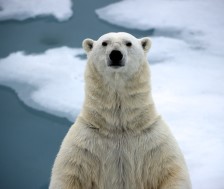
Diese Kreuzfahrt hat sich sehr bewährt und erfreut sich größter Beliebtheit. Unterwegs erhalten Sie ein umfassendes Bild von den entlegenen Küsten der Inselgruppe Svalbard mit seinen verschiedenen Landschaftsformen, seiner reichen Planzen- und Tierwelt. Sie passieren Vogelkolonien, beobachten Bart- und Ringelrobben, Eisbären und Elfenbeinmöwen. Sie gelangen bis zum 81 Breitengrad, kreuzen zwischen polarem Packeis, sehen gewaltige Eisberge und erhalten auch immer wieder Gelegenheit zum Wandern..
Diese Kreuzfahrt hat sich sehr bewährt und erfreut sich größter Beliebtheit. Unterwegs erhalten Sie ein umfassendes Bild von den entlegenen Küsten der Inselgruppe Svalbard mit seinen verschiedenen Landschaftsformen, seiner reichen Planzen- und Tierwelt. Sie passieren Vogelkolonien, beobachten Bart- und Ringelrobben, Eisbären und Elfenbeinmöwen. Sie gelangen bis zum 81 Breitengrad, kreuzen zwischen polarem Packeis, sehen gewaltige Eisberge und erhalten auch immer wieder Gelegenheit zum Wandern..
Spitzbergen - Nordost-Grönland
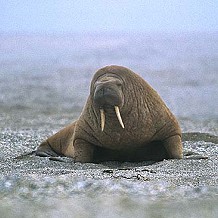 |
Mit dem Expeditionsschiff zu unberührten, gewöhnlich völlig unzugänglichen Fjorden des Nationlaparks Nordost-Grönland. Zu Beginn geht es entlang der Küste Spitzbergens in den hohen Norden bis zu den Walrosskolonien vor Moffen; Mit einem Schiff, das als Ausgangsbasis für Wanderungen und Tagestouren dient.
Eine 13- oder 17-tägige Reise mit vielen unvergesslichen Eindrücken, wie man sie sich als sportlich aktiver Reisender wünscht
Eine 13- oder 17-tägige Reise mit vielen unvergesslichen Eindrücken, wie man sie sich als sportlich aktiver Reisender wünscht
Nordspitzbergen - Eisbären Spezial
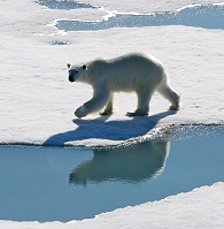 |
Die Reise führt in die abgelegenen Regionen von Nordaustlandet mit seinen kleineren Inseln. Das Schiff stößt dann noch weiter nördlich bis zur Packeisgrenze vor. Sie haben Gelegenheit zahlreiche Eisbären, Walrosskolonien und die vielfältige Vogelwelt Svalbards zu beobachten.
Nordlichtreisen - Grönland und Spitzbergen
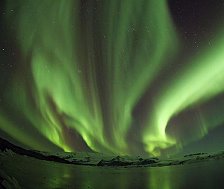 |
Im Herbst bietet sich in der Arktis die Gelegenheit eine der wohl spektakulärsten Naturerscheinungen zu beobachten: Die Aurora Borealis. Wenn Sonnenplasma auf die äußeren Schichten der Atmosphäre trifft, verbeult dies auch das Magnetfeld der Erde. Bei seiner Wiederherstellung entstehen gewaltige Ströme, die spiralförmig zur Erde abgeleitet werden und dabei phantastische Lichterscheinungen hervorrufen - erin unvergleichliches Erlebnis.
Franz Josef Land - Zu Eisbären und Walrossen
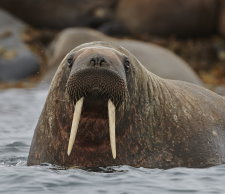 |
Wer die arktische Tierwelt in ihrer ganzen Vielfalt erleben möchte erhält auf dieser Reise fantastische Möglichkeiten dazu: In Franz Josef Land leben große Eisbärpopulationen und Walrosskolonien, die wir aus unmittelbarer Nähe beobachten. Sie fahren durch das Packeis auf den Spuren der Pioniere Weyprecht, Payer und Nansen, erleben auch eine großartige Vogelwelt..
Spitzbergen Winter Safari
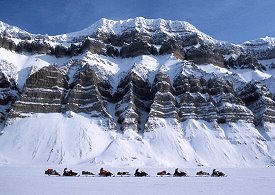 |
Diese Reise gibt Ihnen einen Einblick in Spitzbergens Natur im Winter: In nur 6 Tagen reisen Sie über die Insel und besuchen atemberaubende Höhepunkte. Sie erfahren von den berühmten Entdeckern, deren Namen für immer mit Svalbard verknüpft sind. Und Sie treffen hier Einheimische verschiedener Nationalitäten, die hier leben, weil sie die Arktis lieben.
Dies ist eine kurze aber sehr intensive Reise, reich an Eindrücken und allen zugänglich, die in guter körperlicher Verfassung sind.
Dies ist eine kurze aber sehr intensive Reise, reich an Eindrücken und allen zugänglich, die in guter körperlicher Verfassung sind.